Trying to decide between a new build and a resale home in South Barrington? You’re not alone. If you want space, privacy, and convenience to Chicago-area jobs and amenities, both paths can work. In this guide, you’ll compare timelines, costs, warranties, inspections, and negotiation points so you can pick the option that fits your goals and your move date. Let’s dive in.
South Barrington at a glance
South Barrington is a suburban village in Cook County on the northwest side of the Chicago metro. The housing stock is mostly single-family homes on larger lots, including higher-end subdivisions. Buyers here often prioritize school assignments, lot size and privacy, commute time to Chicago-area employment centers, and access to regional shopping and recreation. Keep these priorities front and center as you compare new construction and resale.
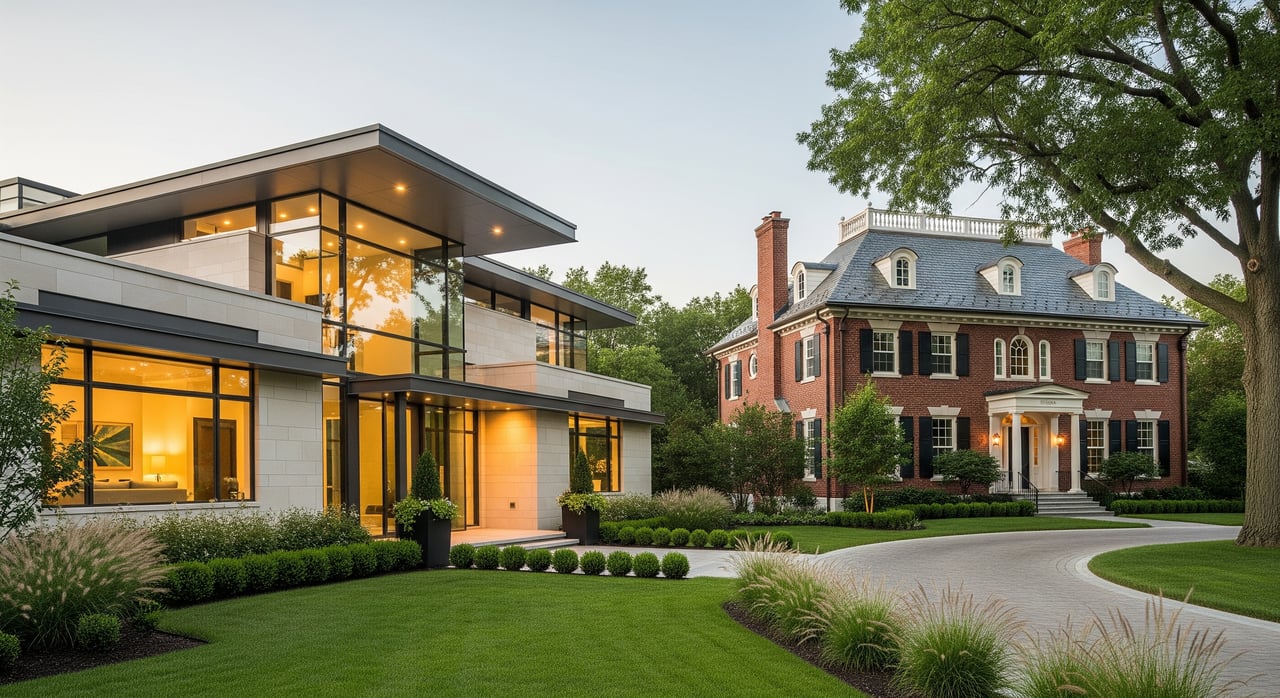
Big picture: new vs. resale
Choosing between new construction and resale usually comes down to trade-offs you can quantify.
- New construction advantages: modern layouts, energy-efficient systems, and the ability to personalize finishes. Early maintenance is typically lighter, and you get builder warranties.
- New construction watch-outs: base prices often exclude preferred finishes, and upgrade premiums add up. Build timelines can extend, and desirable lots may carry premiums.
- Resale advantages: potentially lower price per square foot, mature landscaping, and established neighborhood character. Move-in timing is often faster and more predictable.
- Resale watch-outs: older systems may need updates sooner. You may budget for near-term projects like roofing, HVAC, or cosmetic refreshes.
Timeline comparison
Resale timing
If you use conventional financing, you can often close a resale in about 30 to 60 days. Cash buyers may close faster. Inspection and appraisal periods usually take 7 to 21 days within that window.
New construction timing
Inventory/spec homes that are already framed or finished can close in roughly 30 to 90 days, depending on final work and municipal inspections. Semi-custom or custom builds typically take about 4 to 6 months for simpler plans on finished lots and 9 to 12 months or more for fully custom homes. Weather, subcontractor schedules, material lead times, and permitting can add weeks.
Cost breakdown you can plan
- Purchase price: New builds often command a premium for modern systems and design. Resale may be lower per square foot but could require immediate updates.
- Upgrades and options: Base prices for new homes may not include cabinets, flooring, appliances, landscaping, or window treatments you want. Review the effective price with your must-have options included.
- Closing costs and incentives: Builders may offer closing cost credits, rate buydowns, or appliance packages. Resale sellers may provide concessions or repair credits. Compare the bottom line.
- Operating costs: New homes usually have more efficient HVAC, insulation, windows, and appliances, which can lower utility and early maintenance costs. Property taxes depend on assessed value and can vary by property.
- Lot premiums and site work: Corner, cul-de-sac, tree-lined, or larger lots often carry premiums. Infill or subdivided lots can require extra site work for grading and drainage.
Financing differences that matter
- Builder incentives: Preferred-lender offers can include mortgage-rate buydowns or credits. These can be valuable, but you should compare them with independent lender quotes and weigh them against a price reduction.
- Construction-to-permanent loans: Fully custom builds may require construction financing with interest-only payments during the build and different underwriting. Get preapproved for the loan type that matches your plan.
- Appraisals: New-home appraisals on recently subdivided lots may rely on builder sales and adjustments if comparable sales are limited. Resale appraisals typically use nearby closed sales.
- Deposits: New builds often require staged deposits and option deposits that can become nonrefundable after selections are ordered. Resale earnest money is usually refundable under agreed contingencies.
Warranties and inspections
What new-home warranties usually cover
While every builder and warranty provider differs, many new homes come with layered coverage: a short-term workmanship warranty (commonly 1 year), a systems warranty for items like plumbing, electrical, and HVAC (often 1 to 2 years), and a structural warranty that can extend up to 10 years. Ask for the full warranty document, including exclusions, claim steps, and transfer rules.
Key new-build inspections and checkpoints
- Pre-drywall inspection to review framing and rough-in work before walls close.
- Mechanical start-up check to verify HVAC sizing and operation.
- Final walk-through and a written punchlist with repair timelines.
- Confirmation of municipal inspections and the certificate of occupancy.
- Lot and drainage review after rain to catch grading issues.
- Independent third-party home inspection, even on brand-new homes.
Resale inspection priorities
- Roof age and condition; signs of leaks.
- Foundation, drainage, and any water intrusion in basements.
- Electrical capacity and panel condition.
- HVAC age and service history.
- Plumbing, visible leaks, water pressure, and sewer line condition; consider a sewer scope for older homes.
- Windows and doors for seal failure or energy loss.
- Potential age-related hazards and any recommended specialty testing.
After you move in
For resale, consider a one-year home warranty if systems are aging. For new construction, submit all warranty requests in writing, track responses, and clarify whether your local site manager or a central warranty team handles service.
Negotiation and contracts
Where you can negotiate on resale
Resale transactions allow more traditional levers such as price, repair credits, seller concessions, closing timeline, and inclusions like appliances. Inspection findings often become part of the negotiation.
Where you can negotiate on new construction
Builders may be less flexible on base price in high-demand communities. You often find better leverage on upgrades, lot premiums, closing cost help, and rate buydowns. Delivery dates and remedies for delays can sometimes be negotiated, though builders usually limit exposure for weather or supply-chain issues. Using a builder’s preferred lender is optional, even if incentivized.
Contract fine print to watch
- Option deadlines and refund rules for deposits and selections.
- Inspection rights and remedies for major defects.
- Closing date windows and what happens if the certificate of occupancy is delayed.
- Warranty references, claim process, and punchlist timelines.
- HOA rules and architectural controls for both new and resale.
Tactics tailored to South Barrington buyers
- If lot privacy is a priority, negotiate the lot premium, landscaping allowance, and fencing specifics.
- If your move date is tight, target completed or near-complete inventory and consider seller rent-backs on resale to smooth your timeline.
- Work with an agent who understands local builders and the Barrington-area permitting process. You want clear documentation of inspection checkpoints and incentives that improve your effective cost.
Decision checklist
Use this quick checklist to clarify your choice.
- Timeline: Do you need to move within 2 to 3 months, or can you wait 6 to 12 months for a build?
- School assignment: Verify the exact boundaries for your address prior to contract.
- Lot and outdoor space: Do you prefer mature trees and privacy or a new yard you can design over time?
- Budget: Have you priced the upgrades, landscaping, appliances, and window treatments that make a new build feel complete?
- Maintenance: Are you comfortable managing updates on an older home, or would you rather handle a short punchlist under warranty?
- Resale outlook: Review comparable sales, HOA rules, and any planned community changes that can affect future value.
How Maureen helps you decide
You deserve a clear path, whether you build new or buy resale. With more than two decades of local experience, Certified New Home Specialist expertise, and hands-on staging and rehab know-how, Maureen will help you compare real costs, evaluate timelines, coordinate inspections, and negotiate the terms that matter. If you choose resale, you get guidance on property condition, upgrades, and presentation after closing. If you choose new construction, you get support with option selections, deposit timelines, and warranty documentation so nothing is missed.
Ready to weigh your options in South Barrington with confidence? Reach out to Maureen Hale to talk through your timeline, budget, and must-haves.
FAQs
What are the main cost differences between new construction and resale in South Barrington?
- New builds often carry higher base prices plus upgrade premiums, while resale can be lower upfront but may need near-term updates; compare the effective bottom line, including options and operating costs.
How long does it take to close on a home in South Barrington?
- Resale commonly closes in 30 to 60 days with financing; inventory/spec new homes can take 30 to 90 days, and custom builds often run 4 to 12 months depending on scope and permitting.
Are builder incentives like rate buydowns worth it?
- They can be, but you should compare the total cost over the loan term against independent lender quotes and consider whether a price reduction would be more valuable.
Do I really need inspections on a brand-new home?
- Yes, schedule independent inspections such as pre-drywall and a final inspection, and document a punchlist with completion timelines.
What should I watch for in a new-construction contract?
- Pay attention to option-selection deadlines, deposit refund rules, inspection rights, warranty terms, closing timing, and HOA covenants.
How can an agent help with new builds and resale in South Barrington?
- An experienced local agent can compare effective costs, coordinate inspections, review contracts and warranties, and negotiate upgrades, timelines, and concessions that fit your goals.