Seeing “as-is” on an Elgin listing and not sure what it really means for your move? You’re not alone. Whether you’re buying or selling, the label can feel risky without clear guidance. In this guide, you’ll learn exactly how “as-is” works in Illinois, what you still must disclose or inspect, and how credits or repairs usually play out in Elgin and Kane County. You’ll also get a local checklist to keep your deal on track. Let’s dive in.
What “as-is” means in Illinois
In Illinois, “as-is” tells you the seller is not agreeing to make repairs or warranty the home’s condition. You are accepting the property in its current state, subject to your contract terms. Standard Illinois contracts often include an As-Is Addendum that says the seller will not complete repairs. Even so, many buyers still keep an inspection contingency. That contingency lets you inspect, then accept the home, ask for a repair credit, or cancel within the deadline.
“As-is” is common with estate sales, inherited properties, investor-owned homes, and foreclosures. It mainly signals that the seller prefers not to coordinate repairs. It does not automatically block you from inspecting or negotiating during your contingency period.
Disclosures still required
Illinois sellers usually must complete the state’s Residential Real Property Disclosure Report under the Residential Real Property Disclosure Act (commonly cited as 765 ILCS 77/). An “as-is” label does not remove this requirement. There are limited statutory exemptions, but most traditional one-to-four unit sales must provide the disclosure of known material defects.
If the home was built before 1978, federal lead-based paint rules apply. Sellers must provide required lead disclosures and the lead information pamphlet. “As-is” does not change these federal obligations.
Inspections and contingencies
Even in an “as-is” sale, you can keep an inspection contingency. With that contingency, you usually have the right to:
- Inspect the home within the agreed time window.
- Request repairs or a credit, or accept the home as-is after inspection.
- Cancel the contract within the contingency timeframe if the seller declines to address serious concerns.
If you waive inspection in writing, you assume more risk. Cash and competitive offers sometimes go this route, but it is a calculated decision.
Elgin buyer due diligence checklist
Use this quick checklist to protect your interests during an “as-is” purchase in Elgin and Kane County:
- Ask for the Illinois seller disclosure report early and review it closely.
- Schedule a general home inspection.
- Add specialist tests where needed: radon, sewer scope, termite/wood-destroying insects, chimney, HVAC, mold, structural engineer, or electrical.
- Check local flood risk along the Fox River corridor and nearby tributaries. Review floodplain status and any history of water intrusion.
- Pull City of Elgin permit history to spot unpermitted work or open permits.
- Check for code issues, special assessments, and recorded liens that could affect closing.
- Confirm lender rules for repairs, especially if using FHA or VA financing.
- Get contractor estimates for any major items noted in your inspection.
Common Elgin property issues to watch
Elgin offers a wide mix of housing, from historic homes to newer subdivision builds. Age and style often hint at where to focus your inspection.
Older and historic areas
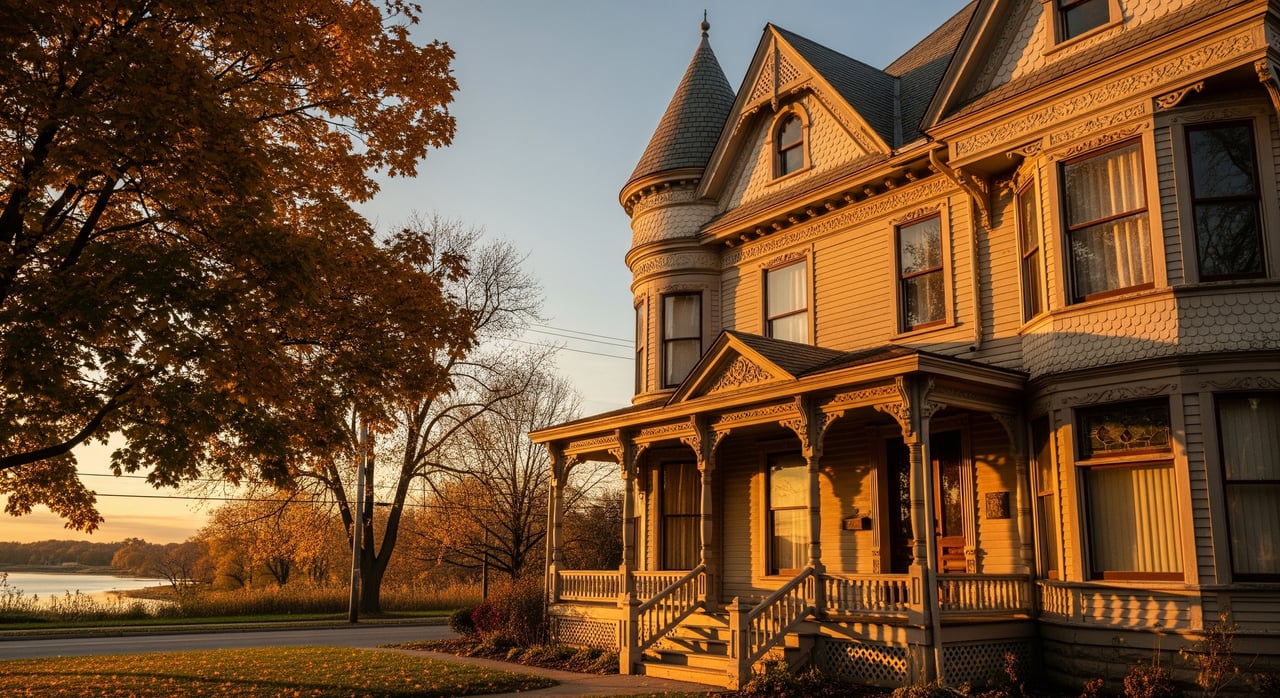
Victorians, craftsman homes, bungalows, and two-flats in and around downtown can show age-related items. Watch for older wiring, outdated panels, aging roofs, galvanized plumbing, and foundation or basement dampness. Pre-1978 homes may have lead-based paint, so make sure proper lead disclosures are provided.
Mid-century homes
Ranches and colonials from the 1940s through the 1970s often need mechanical updates. Inspect furnaces, boilers, and water heaters. Original windows and insulation can be at the end of their useful life. Some materials from this era can include asbestos, which requires specialized handling if disturbed.
Newer subdivisions
Homes built from the 1980s through the 2000s tend to have fewer structural surprises, but deferred maintenance still matters. Roof, siding, and HVAC age can drive near-term costs. Verify installation quality and recent service records where available.
Site and environmental concerns
Basement water is a recurring theme in our region due to local groundwater levels. Sump pumps, drain tile, and grading all deserve attention. Sewer backups are more common in older neighborhoods with aging lines, so a sewer scope can be a smart add-on. Radon testing is also a prudent step in many Elgin homes with basements.
Credits vs. repairs in Elgin negotiations
After inspections, most “as-is” talks in Elgin center on credits rather than seller-performed repairs. Here is how the options compare.
Seller credits at closing
A credit can help you cover closing costs or offset repairs you will handle after you move in. Credits are fast and avoid the hassle of scheduling contractors before closing. Investors, estates, and out-of-area owners often prefer credits over repairs.
Seller repairs before closing
Some sellers will fix targeted items to keep the deal moving, especially health or safety issues that could affect the appraisal. If repairs are completed, buyers should ask for receipts, warranties, and permits where required.
Escrow holdback
If a repair cannot be finished before closing, the parties may agree to hold funds in escrow to ensure the work gets done after closing. Lender and title company approval is required. Not every lender allows this option, so confirm early.
Lender and appraisal influence
Your loan type matters. FHA and VA loans have minimum property requirements. Appraisers may call out safety issues that must be fixed before the loan can fund. Conventional loans can be more flexible, but an appraiser may still flag severe defects. Credits cannot replace repairs that a lender or law requires for safety.
Smart negotiation strategies
Clear, timely communication keeps “as-is” deals on track. Use these approaches to improve your outcome.
- Keep your inspection contingency and honor the deadlines in your contract.
- Submit a concise repair request with supporting inspector notes and contractor estimates.
- If the seller resists repairs, ask for a credit or price reduction that reflects the work.
- For repairs that cannot wait, request completion by licensed contractors with permits and receipts.
- If timing is tight, explore an escrow holdback with your lender and title company.
Sellers can also prepare. A pre-listing inspection can surface major issues early. That allows you to make targeted fixes or price accordingly. A thorough seller disclosure builds buyer trust and limits surprises later.
Budgeting and risk planning
Buying “as-is” does not mean skipping due diligence. It means planning for what you find.
For buyers
- Do not assume “as-is” equals “no inspections.” Keep your inspection contingency if condition matters to you.
- Order specialist tests where the home’s age and location suggest risks, such as radon testing and a sewer scope.
- Get at least one contractor estimate for each major item so you can plan your budget.
- Discuss your loan type with your lender and ask which defects must be fixed before closing.
- If you waive inspections to compete, consider setting a larger repair reserve and adding a home warranty for the first year.
For sellers
- Consider a pre-listing inspection to identify issues that could derail negotiations.
- Complete the Illinois disclosure form fully and honestly. Disclose known defects.
- Price to reflect condition and consider offering a targeted credit to reduce back-and-forth on repairs.
As a broad guideline, everyday maintenance and minor updates can add up after closing. Larger systems like roofs, foundations, or sewer lines can reach into higher ranges. Always rely on local contractor quotes for real numbers and consider a repair reserve that fits the home’s age and condition.
Real-world Elgin scenarios
Estate sale bungalow, downtown Elgin
The seller lists “as-is” and notes older electrical, roof wear, and a damp basement on the disclosure. The buyer completes a general inspection and a sewer scope. The seller declines repairs but agrees to a credit based on estimates. The buyer takes the credit and plans waterproofing and an electrical panel upgrade after closing.
Investor-owned duplex in Kane County
The property is priced below market and marketed “as-is.” A cash buyer waives inspection to beat competing offers. After closing, the buyer replaces a failing HVAC system and updates cosmetic items. The lower purchase price and higher risk tolerance go hand in hand.
Owner-occupied seller seeking a quick close
Before listing, the seller repairs an active roof leak with permits and keeps receipts. The clean repair history reduces inspection objections and keeps the deal moving without large credits.
Your next step in Elgin
“As-is” deals can be smart moves when you pair solid inspections with clear negotiation. The key is knowing what still must be disclosed, how your contingency works, and when credits or repairs make the most sense for your loan and timeline. If you are weighing an “as-is” sale or purchase in Elgin, you do not have to figure it out alone. Connect with a local advisor who knows Fox Valley homes, staging and rehab, and how lenders treat repairs.
If you are ready to map out your plan, reach out to Maureen Hale for a straightforward, local strategy and a clear path from offer to close.
FAQs
What does “as-is” mean in an Illinois home sale?
- It means the seller is not agreeing to make repairs or warranty condition, and you are accepting the home in its current state subject to your contract terms and any inspection contingency.
Do sellers still have to disclose problems in an “as-is” sale?
- Yes. Most Illinois sellers must complete the Residential Real Property Disclosure Report, and pre-1978 homes require federal lead-based paint disclosures.
Can I inspect an “as-is” home in Elgin?
- Usually yes if your contract includes an inspection contingency. You can inspect, request a credit or repairs, accept the home, or cancel within the contingency deadline.
How do credits vs. repairs affect my loan?
- FHA and VA loans often require certain safety repairs to be completed before closing. Conventional loans can be more flexible but may still flag major defects.
What Elgin-specific issues should I check?
- Focus on basement water intrusion, radon in basements, older electrical or plumbing in historic homes, roof and HVAC age, sewer line condition, and City of Elgin permit history.
What if the seller refuses all repairs in an “as-is” deal?
- You can ask for a credit or price reduction. If there is no agreement and you are within your inspection contingency, you may choose to cancel.